AI Search Optimization: Practical Strategies
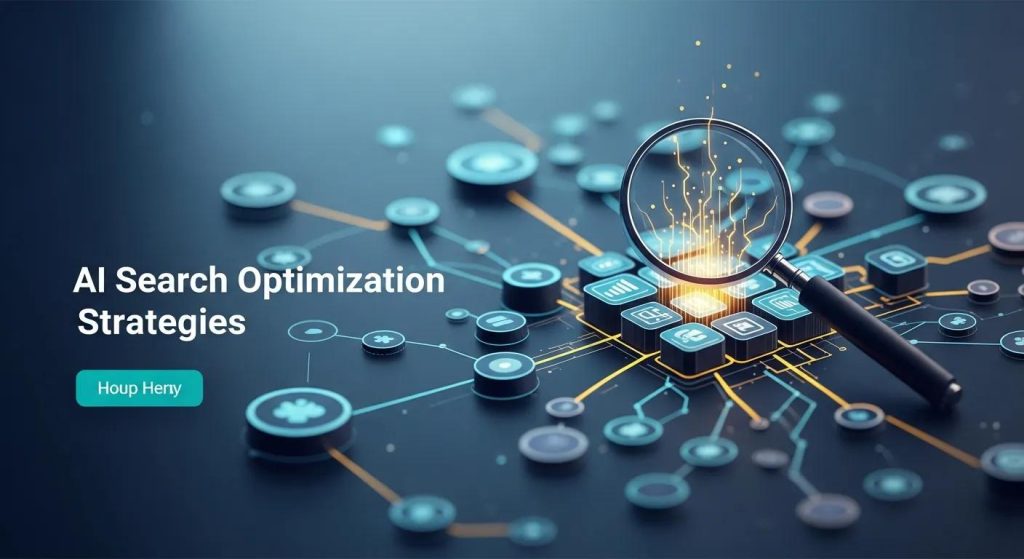
AI search optimization is the process of shaping your website and content so AI-powered answer engines and large language models (LLMs) can find, understand, and recommend your business accurately. This guide breaks down AEO (Answer Engine Optimization), LLMO (Large Language Model Optimization), and AIO (AI Intelligence Optimization), and shows how they boost discoverability, strengthen trust signals, and drive higher-intent leads when layered over your existing SEO, PPC, and social efforts. You’ll get clear definitions, hands-on steps, measurement approaches, and practical fixes—schema and knowledge graph updates, content entity modeling, and attribution setups—that increase the chance assistants like ChatGPT and Claude cite your pages.
Through the sections below you’ll find concise definitions, step-by-step integration tactics, industry examples (presented as EAV tables), MarketMagnetix Media Group’s ROI-focused integration approach, KPI methods, and a roadmap for keeping pace with rapid AI change. We weave terms like AI search optimization, Answer Engine Optimization, Large Language Model Optimization, and schema markup for AI into actionable recommendations so you can connect today’s channels to emerging AI discovery paths.
What is AI Search Optimization and How Does It Enhance Digital Marketing?
AI search optimization is the deliberate work of making your content and site structure readable to AI assistants and retrieval systems so they can surface precise, attributable answers. Practically, that means mapping entities and relationships into structured data, clear definitions, and semantically consistent content so models can pull and cite your pages. The payoff is higher visibility in AI-driven experiences and more qualified referrals, because recommendations are context-aware and aligned with intent. Industry signals show that structured entity data—DefinedTerm entries, Service schema, and similar types—makes LLM responses easier to attribute and more useful to users looking for local services or professional advice, which in turn supports lead generation and trust.
AI search optimization delivers immediate gains for discovery and conversion:
- Higher citation probability: Explicit entity definitions and clear sources increase the chance assistants reference your content.
- More intent-driven traffic: AI answers often send users straight to relevant service pages, improving conversion potential.
- Stronger credibility signals: Consistent entity attributes and knowledge panel presence build perceived authority.
Together, visibility, intent alignment, and credibility amplify each other when combined with existing SEO and paid channels. That foundation leads into the three core practices of modern AI optimization: AEO, LLMO, and AIO.
Defining AEO, LLMO, and AIO: Key Components of AI Optimization
These three terms describe related but distinct parts of AI-driven marketing. AEO (Answer Engine Optimization) focuses on structuring content so answer engines can extract short, attributable answers. LLMO (Large Language Model Optimization) shapes phrasing, context, and entity clarity so LLMs produce recommendations that point back to your content. AIO (AI Intelligence Optimization) covers the integrations, telemetry, and workflows that connect AI signals to your CRM and conversion systems. All three sit under digital marketing, but each has a different goal: AEO targets snippet-style visibility, LLMO improves conversational discovery, and AIO turns those discoveries into measurable leads. Using DefinedTerm and Service schema supports all three by making relationships explicit for knowledge graphs and retrieval systems.
In short: use AEO for short answers, LLMO for conversational discovery, and AIO to capture and convert AI referrals.
How AI Assistants Like ChatGPT and Claude Influence Search Behavior
AI assistants pull answers from training data, retrieval-augmented generation, and external connectors, which changes how users find businesses. Instead of clicking a list of links, users may get a concise recommendation, a quoted excerpt, or a step-by-step answer that blends multiple sources—shifting referrals toward more direct, higher-trust paths. When an assistant retrieves a specific page or resolves an entity via a knowledge graph, that content gains referral power similar to a featured snippet, but inside a conversational flow. For brands, the takeaway is clear: to show up in AI-driven outputs you need authoritative, structured content with explicit citations and clear entity attributes.
Because assistants value clarity and brevity, craft short, semantically dense paragraphs and structured FAQs that match typical assistant answer patterns to increase your chances of being cited.
How Can AI Search Optimization Seamlessly Integrate With Your Current Marketing Strategies?
AI search optimization complements existing channels by making the signals those channels rely on more explicit and machine-readable. It enhances SEO through better content structure and clearer entities, improves PPC by aligning landing pages to AI-friendly language that supports higher-quality conversions, and strengthens social by turning consistent mentions into entity signals with authoritative links. Start with low-effort, high-impact actions—add DefinedTerm and Service schema, create focused entity content blocks, and align headings to clear user intent. The checklist below gives a practical, non-disruptive sequence teams can follow.
- Audit content for entity clarity and duplicates, then map priority entities to service pages.
- Add schema types (Service, Organization, FAQPage, DefinedTerm) and make about/serviceType properties explicit.
- Update PPC landing pages so headlines and hero copy match entity labels and include structured FAQs for attribution.
- Use social posts to reinforce entity names and link to canonical, schema-enabled pages.
- Monitor AI referrals and iterate content based on assistant citations and snippet text.
Complementing Traditional SEO, PPC, and Social Media With AI Optimization
AI optimization translates implicit topical authority into explicit entity statements and structured data machines can read. For PPC, matching landing page entities to ad copy reduces friction between the ad message and AI-assisted recommendations—improving lead quality when an assistant cites the page. For social, consistent naming and meta descriptions help models link mentions back to canonical pages and strengthen your knowledge graph. Operationally, SEO teams should add entity-focused content blocks, PPC managers should use schema-enabled landing pages, and social teams should synchronize naming and snippets.
- SEO: Add defined-term sections and canonical entity statements to pillar pages.
- PPC: Use short, answer-ready hero copy and FAQ schema on landing pages.
- Social: Keep entity labels consistent and link to schema-rich canonical pages.
These channel-level tweaks create semantic continuity that helps AI assistants pick and recommend your content.
Implementing Schema Markup and Knowledge Graph Enhancements for AI Visibility
Schema and knowledge graph work is technical but high-impact. Prioritize Service, Organization, LocalBusiness (if relevant), WebPage/Article, FAQPage, and DefinedTerm schema types. Complete core properties—name, description, serviceType, provider, sameAs—and connect entity pages with internal and external links to form relationship edges in your site’s graph. Validate markup with schema tools and watch rich result impressions in search analytics. Keep structured data versioned and updated as services evolve so retrieval systems always read current facts.
- Add DefinedTerm entries for industry terminology and use DefinedTerm schema to help LLM retrieval.
- Link entity pages with clear anchor text to preserve relationships like service → attribute.
- Test markup with validators and monitor rich snippet appearances to iterate.
Below is an EAV-style table showing common channel integrations and how they map to AEO, LLMO, and AIO practices.
| Channel | Integration Attribute | Integration Example |
|---|---|---|
| SEO | Content structure | Add defined-term blocks and entity-rich headings on pillar pages |
| PPC | Landing alignment | Include FAQ schema and answer-ready hero copy on landing pages |
| Social | Entity reinforcement | Use consistent entity names and link to canonical schema-enabled pages |
| Technical SEO | Schema types | Implement Service, Organization, WebPage, FAQPage, DefinedTerm schema |
| CRO | Conversion context | Map AI referral copy to tailored CTAs on service pages |
Summary: Prioritizing schema, entity clarity, and consistent naming across channels drives meaningful improvements in AI-driven visibility and referral quality.
What Are the Business Benefits of Integrating AI Search Optimization?
AI search optimization produces measurable business results: more leads from higher-confidence referrals, stronger conversion rates because assistants send users with clearer intent, and faster time-to-value when entity signals speed discovery in local and professional searches. It also boosts brand trust via knowledge panels and consistent citations—important for service industries like law, healthcare, and manufacturing. Structuring content for AI reduces friction between discovery and conversion and often raises lead quality because AI recommendations tend to match user intent better than generic organic listings.
The table below outlines industry-specific benefits and example tactics so you can set realistic ROI expectations.
| Industry | Optimized Attribute | Typical Business Outcome |
|---|---|---|
| Law firm | Lead quality | More qualified consult requests driven by contextual AI recommendations |
| Medical practice | Local discovery | Increased appointment bookings via knowledge panel referrals |
| Manufacturing | Specification visibility | Higher RFP inquiries when product specs are structured and cited |
| HVAC / Home services | Local relevance | Faster calls and dispatch requests prompted by assistant suggestions |
Summary: Clear entity attributes and service details lead to measurable gains in referral quality and conversions, with results tied to your current digital maturity and implementation depth.
Driving Increased Leads and Conversions Across Industries Like Law, Medical, and Manufacturing
Industry examples show how AI recommendations translate into real results. For law firms, focused practice-area DefinedTerm pages and concise authoritativeness lift the chance of recommendation for narrow queries, producing higher-intent consults. Medical practices that publish structured service descriptions and practitioner bios reduce friction when assistants surface clinic details, increasing bookings. Manufacturers that expose product specs with WebPage schema gain visibility in technical answer sets and supplier searches. In every case, assistants prefer clean, structured entity facts and cite sources that present accurate, trustworthy information.
The mini-table below shows example tactics and the KPI improvements you might expect.
| Industry | KPI Impact | Example Tactic |
|---|---|---|
| Law | +Higher consult-to-lead ratio | Publish defined-term practice pages with FAQ schema |
| Medical | +Local appointment conversions | Use Practitioner and Service schema on intake pages |
| Manufacturing | +Qualified RFQs | Add product spec pages with structured attribute lists |
Summary: These targeted steps increase the share of AI-driven visitors who match service intent, improving conversion efficiency and ROI timing.
Gaining Competitive Advantage Through AI-Driven Recommendations and Trust
AI-driven recommendations create lasting advantages because assistants consolidate signals—knowledge panels, review snippets, and structured service facts—when they form answers. Owning entity definitions and consistent citations (service details, credentials, case studies) builds a trust layer that shows up across conversational touchpoints. Earning citations means proactively managing entities: claim and structure organizational attributes, keep serviceType properties accurate, and publish citable content. Over time, that control reduces competitor visibility in AI outputs and builds preference among informed searchers.
To earn those citations, focus on authoritative content that matches retrieval patterns and keep entity attributes current so assistants deliver accurate, trust-building recommendations favoring your brand.
After outlining benefits and tactics, MarketMagnetix Media Group can help turn these ideas into action with an ROI-driven integration plan and a complimentary website audit and consultation for teams ready to prioritize AI visibility.
How Does MarketMagnetix Media Group Approach AI Search Optimization Integration?
MarketMagnetix Media Group uses a structured, ROI-first process: diagnostic audit → implementation → monitoring → iterative optimization. The method centers on entity clarity, measurable AI referrals, and transparent communication. MarketMagnetix offers AI Optimization Services—covering AEO, LLMO, and AIO—designed to make small businesses competitive in AI discovery. Their model includes prioritized action plans by industry, clear deliverable timelines, and reporting cadences tied to business KPIs. The agency emphasizes proactive optimization and partnership-level communication, and it offers a free website audit and consultation to start.
The high-level process and differentiators look like this:
- Audit and entity mapping: Find priority entities, knowledge gaps, and schema opportunities.
- Implementation sprint: Deploy target schema, DefinedTerm content, and answer-ready page blocks.
- Monitoring and attribution: Configure AI referral tracking, UTM rules, and CRM mapping.
- Continuous optimization: Quarterly core updates plus monthly tactical improvements driven by data.
Tailored, ROI-Driven Strategies for Small Businesses and Service Providers
MarketMagnetix prioritizes work by combining industry context, budget, and existing assets to deliver quick wins and scalable builds. For smaller budgets they often target high-impact pages—service pages, FAQs, and practitioner bios—adding DefinedTerm and FAQ schema to capture immediate citations. For larger projects the roadmap expands to knowledge graph construction, content clusters for LLMO, and routing AI referrals into CRMs. Prioritization follows a simple matrix: impact vs. effort, sequenced to deliver measurable lead improvements early and compounding visibility gains over time.
Example: a local provider added Service schema and focused FAQ blocks, earned earlier inclusion in assistant responses, and saw a measurable lift in consult requests within weeks once attribution was in place.
Proactive Monitoring and Continuous Optimization for Sustained Growth
Monitoring at MarketMagnetix mixes scheduled reviews with event-driven checks. Recommended cadence: monthly tactical reviews for snippet shifts and quarterly core audits for knowledge graph updates. Monitoring includes schema validation, tracking rich snippet text, auditing knowledge panel signals, and checking AI attribution tags. Prioritization criteria: funnel impact, implementation ease, and brand-risk. Reporting surfaces AI-driven traffic, assistant referral conversions, and knowledge panel activity in a clear, ROI-focused dashboard for clients.
This cadence keeps entity data and content strategy aligned with evolving AI retrieval behavior and supports steady improvement instead of one-off fixes.
What Metrics and KPIs Should You Use to Measure AI Optimization Success?
Measuring AI optimization means tracking KPIs that link AI visibility to business outcomes. Key metrics include AI referral volume (visits attributed to assistant citations), conversion rate for AI-sourced traffic, knowledge panel impressions and clicks, rich snippet engagement, and lead quality as recorded in CRM. Combine analytics, attribution tags, and CRM mapping so AI-sourced leads can be identified and their lifetime value compared to other channels. The list below gives a quick measurement approach for core KPIs.
Practical KPIs and measurement methods:
- AI referral volume: Tag retrieval-based referrals with UTMs and custom parameters; monitor in analytics.
- Conversion rate (AI traffic): Compare goal completions for AI-tagged sessions vs. organic traffic.
- Lead quality: Map AI leads in CRM and score them by qualification or funnel stage.
- Knowledge panel impressions: Track branded query impressions via search analytics.
- Rich snippet clicks: Monitor rich result impressions and click-throughs for pages that produce snippets.
These KPIs form an operational feedback loop that guides ongoing optimization and content priorities.
Note: the table below maps entities to KPIs and measurement methods so teams can align tools and responsibilities.
| Entity | KPI | Measurement Method |
|---|---|---|
| AI assistant referrals | Volume & source | UTM parameters + referral tagging in analytics |
| Knowledge panel | Impressions & clicks | Search analytics and branded query monitoring |
| Site pages (service pages) | Conversion rate | Goals in analytics + CRM attribution mapping |
| Rich snippets | Engagement | Rich result impressions and click-through tracking |
Summary: Mapping entities to KPIs and tools creates accountability and lets teams tie AI work to concrete business results.
Tracking AI-Driven Traffic, Lead Quality, and Conversion Rates
Attribution for AI traffic starts with consistent tagging and CRM integration. Use dedicated UTMs or referral parameters for pages cited by assistants and include landing-page identifiers when possible. Assess lead quality by linking UTM-tagged sessions to CRM records and scoring by intent and outcome. Combining search analytics, site analytics, and CRM dashboards shows whether AI referrals convert at parity or better than other channels. Expect to refine attribution as assistants change citation behavior; early tracking typically surfaces the highest-value pages and guides where to invest next.
This approach reveals not just traffic but downstream revenue impact, making AI optimization a measurable part of your marketing ROI.
Monitoring Knowledge Panel and Rich Snippet Engagement
Track knowledge panels and rich snippets by monitoring impressions, clicks, and any snippet text assistants might pull into responses. Watch the exact snippet text returned and test structured data when snippets misrepresent your content. A remediation workflow should include validating schema, checking canonical tags, and refreshing updated content so answers remain accurate. Check rich snippets monthly and run knowledge panel audits quarterly, with immediate reviews after major content or schema changes.
Regular monitoring ensures assistants present accurate entity information and that content encourages user action.
If you want help setting up KPI tracking and audits, MarketMagnetix Media Group offers a free website audit and consultation to align attribution, validation, and reporting with business goals.
How Can Businesses Prepare for the Future of AI in Digital Marketing?
Prepare for AI’s future by putting processes in place for semantic content governance, rapid triage of AI algorithm updates, and a content cadence tuned to retrieval patterns. Technical readiness includes a staging environment for schema testing, clearly defined content ownership, and a plan to route AI referrals into conversion workflows. Content governance should name entity owners, set update cadences, and define approval paths so changes propagate quickly and accurately. These practices let you respond fast when models or assistants update retrieval logic.
A practical timeline: initial audit, 1–3 month quick wins, 3–6 month knowledge graph builds, and ongoing 6–12 month content cluster work—this helps teams allocate resources while staying agile.
Adapting to Rapid AI Algorithm Updates and Emerging Technologies
Have a pragmatic monitoring and response plan for frequent AI updates: follow trusted developer channels, run an internal triage workflow, test schema and content in staging, and build a rapid rollout path for high-priority fixes. Decide which capabilities to keep in-house (content governance, CRO) and which to outsource (complex knowledge graph engineering, advanced LLM retrieval tuning). That capability mix reduces firefighting and keeps visibility stable.
Operational readiness shortens downtime and preserves the accuracy of AI-driven recommendations.
Leveraging Industry Trends and Continuous Semantic SEO Enhancements
Continuous semantic SEO means publishing entity-focused clusters, updating DefinedTerm libraries, and producing measurement-backed case content that follows evolving AI behaviors. Over six to twelve months, a cadence might include LLMO technical guides, industry case studies, measurement updates, and refreshed FAQ blocks targeting shifting assistant patterns. Prioritize topics tied to conversion intent and maintain a hub-and-spoke structure that centralizes entity authority while enabling tactical pages to capture long-tail intent.
Keeping this cadence ensures content stays useful to both human searchers and AI assistants as models change.
This guide outlined an integrated approach to AI search optimization—definitions, tactical steps, business benefits, measurement, and future readiness—so teams can begin implementing AEO, LLMO, and AIO today and capture the discovery advantages of AI-driven search.
Frequently Asked Questions
What types of businesses can benefit from AI search optimization?
Nearly any business that relies on search can benefit, especially service-focused industries like law, healthcare, and manufacturing where users ask specific, intent-driven questions. Structuring content improves visibility and the quality of leads from AI assistants. E-commerce and content-heavy sites also gain by making products and content easier for models to find and cite.
How does schema markup improve AI search optimization?
Schema gives machines explicit context. Implementing types like Service, Organization, and FAQPage helps AI assistants understand your offerings and increases the chance they’ll cite your pages in answers, rich snippets, or knowledge panels—driving more targeted traffic and better conversion opportunities.
What role does content quality play in AI search optimization?
Content quality is essential. Assistants prefer clear, authoritative, and well-structured content. Create concise, informative copy that matches user intent and back it with structured data. Regular updates that reflect current practices and user needs keep your content relevant and more likely to be cited.
How can businesses measure the success of their AI search optimization efforts?
Measure success using KPIs like AI referral volume, conversion rates for AI traffic, knowledge panel impressions, and rich snippet engagement, plus lead quality in your CRM. Use UTMs, referral parameters, and CRM mapping to tie AI-sourced leads back to revenue and compare performance to other channels.
What are some common challenges in implementing AI search optimization?
Common challenges include the technical work of schema markup, the need for continuous content updates, and keeping up with evolving AI retrieval patterns. Teams may also struggle to maintain consistent entity naming and ownership. Overcome these with regular audits, clear governance, and ongoing training on best practices.
How often should businesses update their AI optimization strategies?
Review your AI optimization strategy at least quarterly. That should include content audits, schema refreshes, and adjustments based on AI referral patterns and algorithm changes. Ongoing monitoring and staying up to date with industry shifts will keep your strategy effective.